Source White Powder Azelaic Acid for Skincare, Cosmetics, and Synthesis
Find 30 listings for white powder azelaic acid suitable for cosmetic raw materials, skin care formulations, and synthesis material intermediates. Compare specifications including purity levels, packaging options, and certifications to identify the right supplier for your manufacturing needs; compare the available evidence and request quotations based on your requirements.
Key considerations
Products List





Comprehensive Sourcing Guide
White Powder Azelaic Acid Sourcing Guide
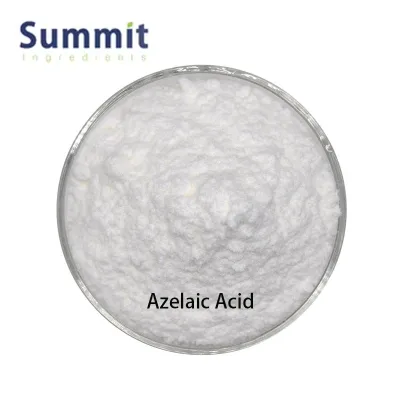
Procurement professionals seeking white powder azelaic acid must first distinguish between cosmetic-grade and industrial-grade offerings, as the supplied data reveals distinct purity standards and intended uses. Listings indicate a primary focus on cosmetic raw materials with specific applications for skin care and whitening, yet other entries classify the substance as synthesis material intermediates for industrial quality. Buyers should verify the specific product model and chemical formula, such as C9H14O4, to ensure the material matches their formulation requirements before initiating any purchase order.
The observed market signals suggest a wide variance in packaging and physical appearance, ranging from white crystalline powder to general white powder descriptions. While some suppliers list the product as a natural resource, others identify it as a synthesis material, necessitating a clear definition of the desired extraction type, such as solvent extraction, during the inquiry phase. Understanding these listing signals helps buyers filter out incompatible inventory and focus on suppliers who explicitly state their product origin and chemical characteristics to avoid cross-contamination in production lines.
Product Scope and Observed Listing Signals
Buyers must carefully evaluate the physical state and packaging options provided in supplier listings, as the data shows variations between 1kg bags and 25kg drums or 200kg containers. The presence of "in stock" items with a 48-hour delivery time offers immediate procurement opportunities, whereas custom orders may require different lead time assessments. It is critical to confirm whether the white powder appearance is consistent with the specific CAS number 123-99-9, as discrepancies in color or texture could indicate degradation or incorrect product classification.
The scope of available products also includes specific chemical identifiers like the EINECS number 204-669-1, which serves as a vital verification point for regulatory compliance in international trade. Suppliers may offer customization services, but the core product attributes, such as the 99% or 98% purity standards, must be explicitly confirmed against the buyer's technical specifications. Procurement teams should prioritize listings that clearly define the product model and origin, such as Shaanxi or Shandong, to ensure traceability and consistency in the supply chain.
Technical Specifications to Verify
Verification of the chemical purity is the most critical technical step, as observed listings cite standards ranging from 98% to 99% with varying test methods like HPLC. Buyers should request current batch test reports to confirm that the actual purity aligns with the advertised standard, as this directly impacts the efficacy of the final cosmetic or industrial formulation. The chemical character is noted as alkalinity in some records, which requires careful handling and compatibility checks with other ingredients in the production process to prevent adverse reactions.
Physical specifications such as the shelf life of two years and storage requirements for cool, dry places must be strictly adhered to during logistics planning. The product model and CAS number serve as the primary identifiers, but the molecular formula C9H14O4 provides the definitive chemical baseline for quality assurance. Procurement teams should ensure that the supplier's quality control protocols include rigorous testing for the specific appearance, whether described as white crystalline powder or simply white powder, to maintain batch-to-batch consistency.
Compliance and Safety Documentation
Navigating the complex landscape of certifications requires buyers to verify that suppliers hold valid documentation such as MSDS, GMP, and EEC compliance for cosmetic applications. Additional certifications like ISO9001, ISO22000, Halal, and Kosher are frequently listed, indicating a supplier's capability to serve diverse global markets with varying regulatory demands. It is essential to confirm that these certifications are current and applicable to the specific batch of white powder being sourced, as expired or generic certificates do not guarantee product safety.
Safety data sheets and material safety documentation must be reviewed to understand the handling requirements for the alkaline nature of the substance. The listing of FDA and ISO certifications suggests a commitment to international safety standards, but buyers should independently validate these claims against the specific product origin in China. Ensuring that the supplier provides comprehensive safety documentation is a prerequisite for importing the material, particularly when the end-use involves direct application in adult skin care products.
Cost Drivers and Commercial Terms
The observed price range of 1 to 120 USD reflects significant variability based on purity levels, packaging formats, and order quantities. Buyers should analyze the minimum order quantity (MOQ) requirements, which span from 1 unit to 1000 units, to determine the most cost-effective purchasing strategy for their production volume. Higher purity grades and specialized packaging, such as 25kg drums versus 1kg bags, often command different price points, necessitating a detailed cost-benefit analysis before finalizing the supplier selection.
Commercial terms regarding delivery time and loading ports are equally critical, with some suppliers offering 48-hour delivery from Tianjin while others may have longer lead times for customized orders. The availability of stock can significantly influence the total landed cost, as expedited shipping from in-stock items may incur higher freight charges compared to scheduled production runs. Procurement teams must negotiate clear terms that account for these variables to avoid unexpected costs that could erode the margin on the final cosmetic or industrial product.
Supplier Qualification and Quality Control
Assessing supplier qualification involves verifying the factory type, with many listings indicating an "Own Factory" status which suggests direct control over production quality. This direct manufacturing capability often translates to better consistency in the white powder appearance and chemical character, reducing the risk of third-party adulteration. Buyers should request evidence of the supplier's internal quality control processes, including how they manage the transition from raw material to the final packaged product.
Quality control protocols must be robust enough to handle the specific requirements of the product, such as the 99% purity standard and the specific test method of HPLC. The supplier's ability to provide customized solutions and maintain the specified shelf life of two years is a key indicator of their operational maturity. Procurement teams should conduct a thorough audit of the supplier's quality management system to ensure it aligns with the rigorous standards required for cosmetic raw materials and synthesis intermediates.
Long-Term Procurement Checks
Establishing a long-term procurement strategy requires regular re-verification of the supplier's certification status and adherence to evolving international standards. The dynamic nature of regulatory requirements means that certifications like ISO and FDA must be continuously monitored to ensure ongoing compliance for the white powder azelaic acid supply. Buyers should implement a schedule for periodic audits and sample testing to detect any drift in product quality or changes in the supplier's manufacturing processes.
Supply chain resilience is enhanced by maintaining relationships with multiple suppliers who can provide the same core specifications, such as the CAS number 123-99-9 and the 99% purity level. Diversifying the supplier base mitigates the risk of disruption due to production delays or logistical issues at specific loading ports like Tianjin. Continuous monitoring of market trends and supplier performance ensures that the procurement of white powder azelaic acid remains cost-effective and reliable for future production cycles.
FAQs
What is the standard purity for white powder azelaic acid?
The standard purity for white powder azelaic acid is typically 99 percent or greater than 98 percent. This high concentration ensures effective performance in cosmetic applications. Buyers should verify the specific purity level with the supplier before ordering to meet their quality requirements.
How should white powder azelaic acid be stored?
White powder azelaic acid should be stored in a cool and dry place to maintain its stability. The product has a shelf life of two years when stored correctly. Proper storage prevents degradation and ensures the ingredient remains effective for cosmetic formulation purposes.
What certifications are available for white powder azelaic acid?
Available certifications for white powder azelaic acid include ISO9001, ISO22000, HALAL, KOSHER, GMP, EEC, and FDA. These certifications verify quality and safety standards. Buyers requiring specific regulatory compliance should confirm which certifications are provided by the manufacturer.
Can white powder azelaic acid be customized for buyers?
Yes, customization is available for white powder azelaic acid. Manufacturers offer tailored solutions to meet specific buyer requirements. This flexibility allows companies to obtain the exact specifications needed for their unique cosmetic or industrial applications.
What is the typical packaging for white powder azelaic acid?
Typical packaging for white powder azelaic acid includes 1kg bags, 25kg drums, or 200kg containers. The specific packaging depends on the supplier and order size. Buyers should check the available options to ensure the packaging meets their logistical needs.
Where is white powder azelaic acid typically sourced from?
White powder azelaic acid is typically sourced from China, including regions like Shaanxi and Shandong. The product origin is listed as China Mainland. Buyers should verify the specific location of the factory to assess shipping logistics and lead times.
What is the lead time for white powder azelaic acid orders?
The lead time for white powder azelaic acid orders can be as fast as 48 hours. Many suppliers keep the product in stock for immediate dispatch. Buyers should confirm the current stock status and delivery schedule with the supplier before placing an order.